Where Fashion Meets Function in Contemporary Spaces
Interior design did not flip overnight. There was no trend announcement, no clear before-and-after moment. It shifted slowly, almost unnoticed. Rooms became quieter. Finishes became simpler. Materials stopped being background elements and started carrying the weight of the space.
A tile finish now carries as much presence as a sofa. Light moving across a wall can change the mood of a room entirely. Small things such as edges, joins, and transitions do more work than they used to. Homes are no longer meant to impress at first glance. They are meant to feel settled. Comfortable. Right.
That expectation has pushed design toward restraint. And restraint is demanding. When a space is calm, there is nowhere for mistakes to hide. A tile edge that is slightly uneven becomes obvious. A fixture that does not sit quite flush feels wrong, even if most people cannot explain why. Modern interiors are honest in that way. They show everything.
When Visual Trends Meet Physical Reality
Large-format tiles, muted finishes, stone-look ceramics, and uninterrupted surfaces are now common. They appear effortless once installed. Getting there is rarely simple.
Buildings move. Walls are imperfect. Materials react to heat, pressure, and moisture in ways that drawings do not show. Design ideas exist in controlled environments. Homes do not. Turning one into the other takes patience and technical discipline.
This is why experienced installers are involved earlier than they used to be. Porcelain and ceramic materials, especially, leave no room for carelessness. Once damaged, they cannot be undone. Chips stay visible. Cracks stay put. At this level, doing it twice is not an option. The first attempt has to be right.
Craftsmanship Is What Holds Everything Together
Trends come and go. Workmanship stays. Or it reveals itself slowly. Hairline cracks near fittings. Small chips along edges. Joints that begin to look misaligned over time. These things usually appear after the space is in use. Kitchens and bathrooms show them first, simply because they are used constantly.
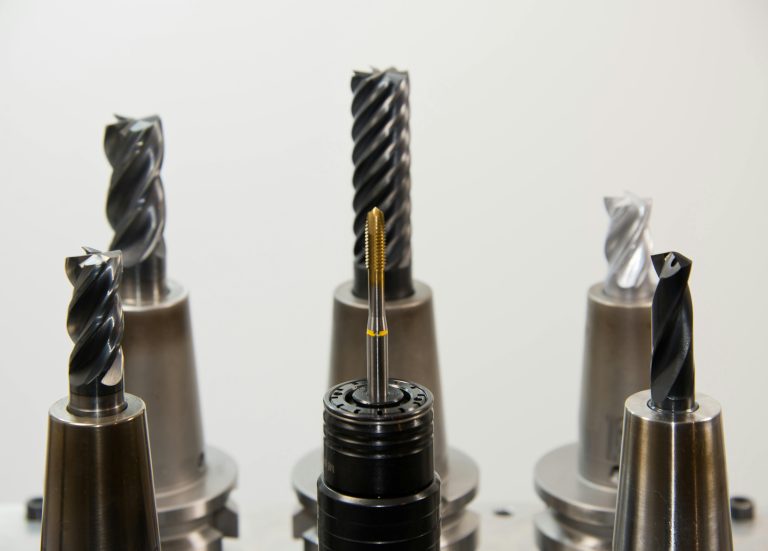
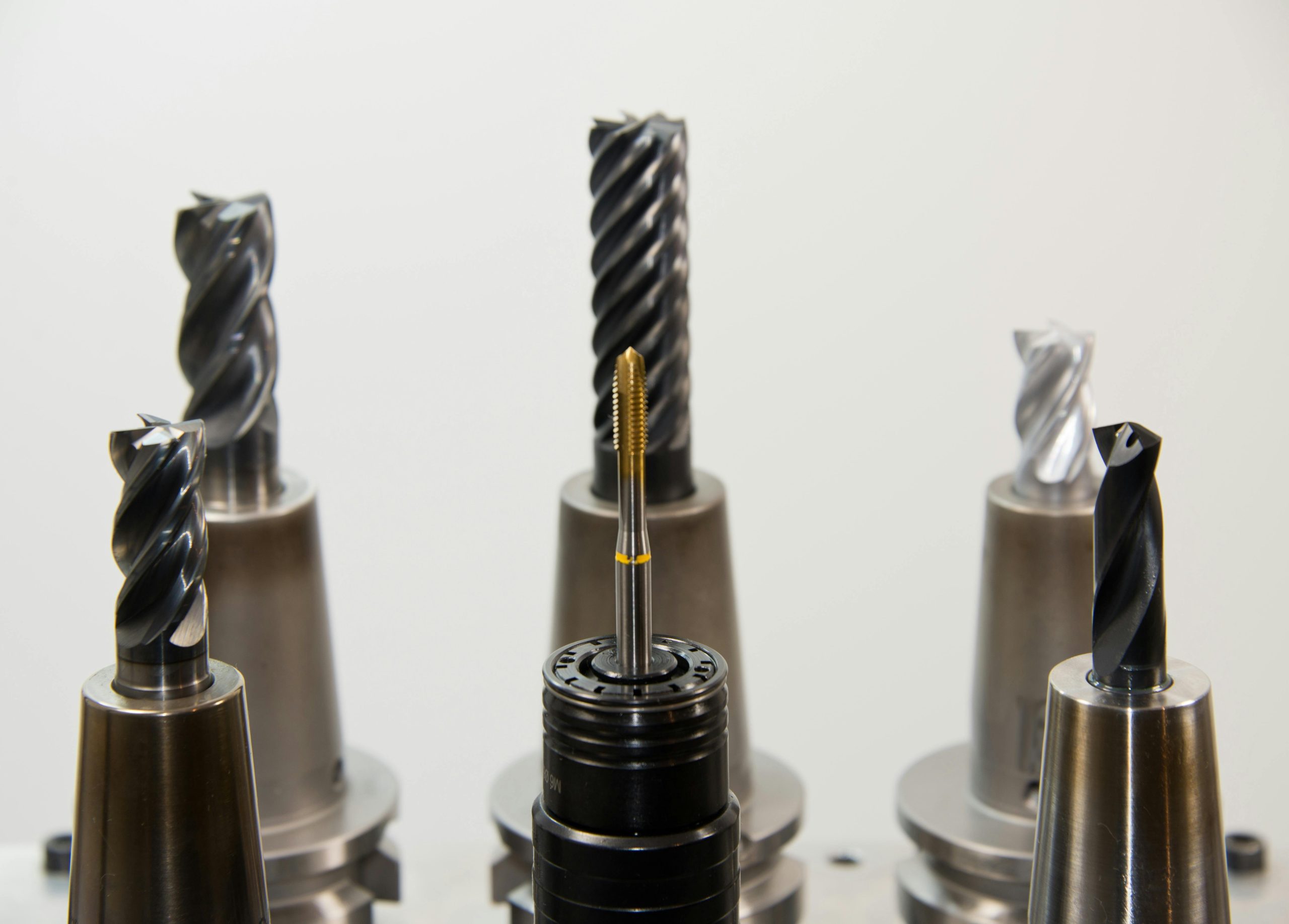
Strong results depend on preparation. On alignment. On accuracy before the surface is finished. During installation, tools such as ceramic tile drilling bits are used to create clean, controlled openings for taps, shower fittings, and concealed fixtures without stressing the tile. It is a small part of the process, but it protects everything around it.
Using the right drilling tools helps fittings sit correctly, minimises waste, and decreases breakage. When using premium ceramic or porcelain materials, where replacements and parts are costly, and delays impact the project as a whole, this is even more crucial.
Living Spaces Have to Hold Up
Homes are not display pieces. Kitchens are used constantly. Bathrooms deal with heat, moisture, cleaning products, and daily wear. These rooms are expected to perform without showing it.
Installation quality plays a quiet role in how a space ages. Proper alignment, cautious handling, and accurate drilling minimise long-term problems that frequently show up much later. Because of this, technical execution is no longer reserved for the very end of design discussions.
The Royal Institute of British Architects continues to emphasise technical detailing as part of responsible and sustainable design practice.
The National House Building Council also reinforces correct installation methods as essential for safety and durability. Together, these standards reflect a simple truth. Design is not only about how a space looks when it is finished. It is about how it behaves after months of use.
The Tools That Stay Out of View
The best interiors rarely draw attention to how they were built. Fixtures line up naturally. Surfaces feel uninterrupted. Nothing looks forced.
That sense of ease is not accidental. It comes from decisions made early and carried through carefully. Precision tools support this process quietly. They do what they are meant to do and then disappear from view. They allow materials to behave as intended and designs to come together without visible effort.
What Comes Next
As interiors continue to reflect fashion and lifestyle trends, expectations will rise again. Materials will become thinner. Formats will grow larger. Details will tighten further. The room for error will shrink.
In that environment, decoration alone will never be enough. Precision handled calmly, without attention, will continue to shape the spaces that feel right long after trends move on.
Stay in touch to get more updates & news on Teckjb!
About the Author